exchange for AI agents
As artificial intelligence (AI) continues to permeate various industries, the demand for specialized AI agents to solve specific problems has led to the rise of platforms like the exchange for AI agents. This marketplace facilitates the exchange, acquisition, and deployment of AI models tailored to meet the needs of businesses across different sectors. While these platforms offer a convenient and efficient way to access AI agents, they also introduce potential security risks that must be addressed to protect sensitive data, maintain trust, and ensure the integrity of AI applications. To safeguard these platforms, certain security measures are necessary when using the exchange for AI agents.
First and foremost, data security is a crucial consideration for any exchange for AI agents. AI agents rely on large volumes of data to function effectively, and this data often contains sensitive information such as personal identification details, financial records, or proprietary business information. Given the sensitivity of this data, it is essential to implement robust encryption techniques both during data transmission and storage. End-to-end encryption ensures that any data exchanged between AI agents and the platform is protected from unauthorized access, providing a safeguard against potential breaches.
Additionally, user authentication and access control mechanisms are necessary to prevent unauthorized users from gaining access to the exchange for AI agents. Strong multi-factor authentication (MFA) protocols should be implemented for both users and AI agents to verify their identity before allowing access to the platform. Access control ensures that users can only access the AI agents and data that are relevant to their roles or business needs, minimizing the risk of exposure to unnecessary or sensitive information. By limiting access based on roles and permissions, the platform can mitigate potential security threats from insiders or malicious actors.
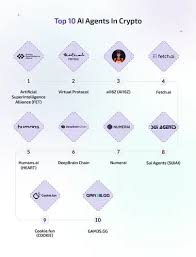
What security measures are necessary for exchange for AI agents?
Furthermore, ensuring the integrity of the AI agents themselves is critical. AI models are only as good as the data they are trained on, and if they are manipulated or tampered with, they could produce harmful or biased outcomes. To safeguard against this, the exchange for AI agents must implement thorough vetting and verification processes to ensure that the AI agents being exchanged are trustworthy and have not been compromised. This includes ensuring that the AI models are developed by reputable sources and undergo regular security audits to detect vulnerabilities or signs of tampering. In addition, maintaining a transparent audit trail of transactions within the platform can help identify the origin and history of any AI agent, further strengthening trust in the platform.
Another important security measure for the exchange for AI agents is the implementation of continuous monitoring and anomaly detection systems. Since AI agents are deployed in dynamic environments, monitoring their behavior in real-time can help detect any abnormal activity that could signal a security breach or malfunction. Machine learning models can be employed to identify unusual patterns of data exchange or usage, which could indicate potential fraud, misuse, or other malicious activities. Real-time monitoring enables swift responses to emerging threats and helps ensure that the platform remains secure.
Furthermore, the exchange for AI agents should incorporate secure software development practices to prevent vulnerabilities in the platform itself. Regular security testing, including penetration testing and code reviews, ensures that the platform is free from exploitable flaws that could be targeted by attackers. These practices should be part of a comprehensive cybersecurity strategy to protect the exchange from external threats, such as hacking attempts, malware, or ransomware attacks.
Finally, compliance with relevant data protection regulations is vital. As data privacy laws like the General Data Protection Regulation (GDPR) and the California Consumer Privacy Act (CCPA) continue to evolve, the exchange for AI agents must ensure that it adheres to these regulations. This includes obtaining the necessary consent for data usage, providing users with control over their personal data, and ensuring that data is stored and processed in compliance with legal requirements. Adhering to these regulations not only ensures legal compliance but also fosters trust among users who rely on the platform for secure AI exchanges.
In conclusion, while the exchange for AI agents offers significant benefits in terms of accessibility and efficiency, it also presents several security challenges. Implementing strong data encryption, user authentication, access control, AI model verification, real-time monitoring, and compliance with data privacy regulations are essential steps in ensuring the platform’s security. By prioritizing these security measures, the exchange for AI agents can provide a safe and trusted environment for businesses to access and deploy AI-powered solutions.
